Corey Tutt is the founder of Deadly Science and the author of Caution! This Book Contains Deadly Reptiles (also reviewed in StoryLinks). Jaelyn Biumaiwai is a self-taught illustrator who is of Mununjali and Fijian descent and lives and creates on the Gold Coast.
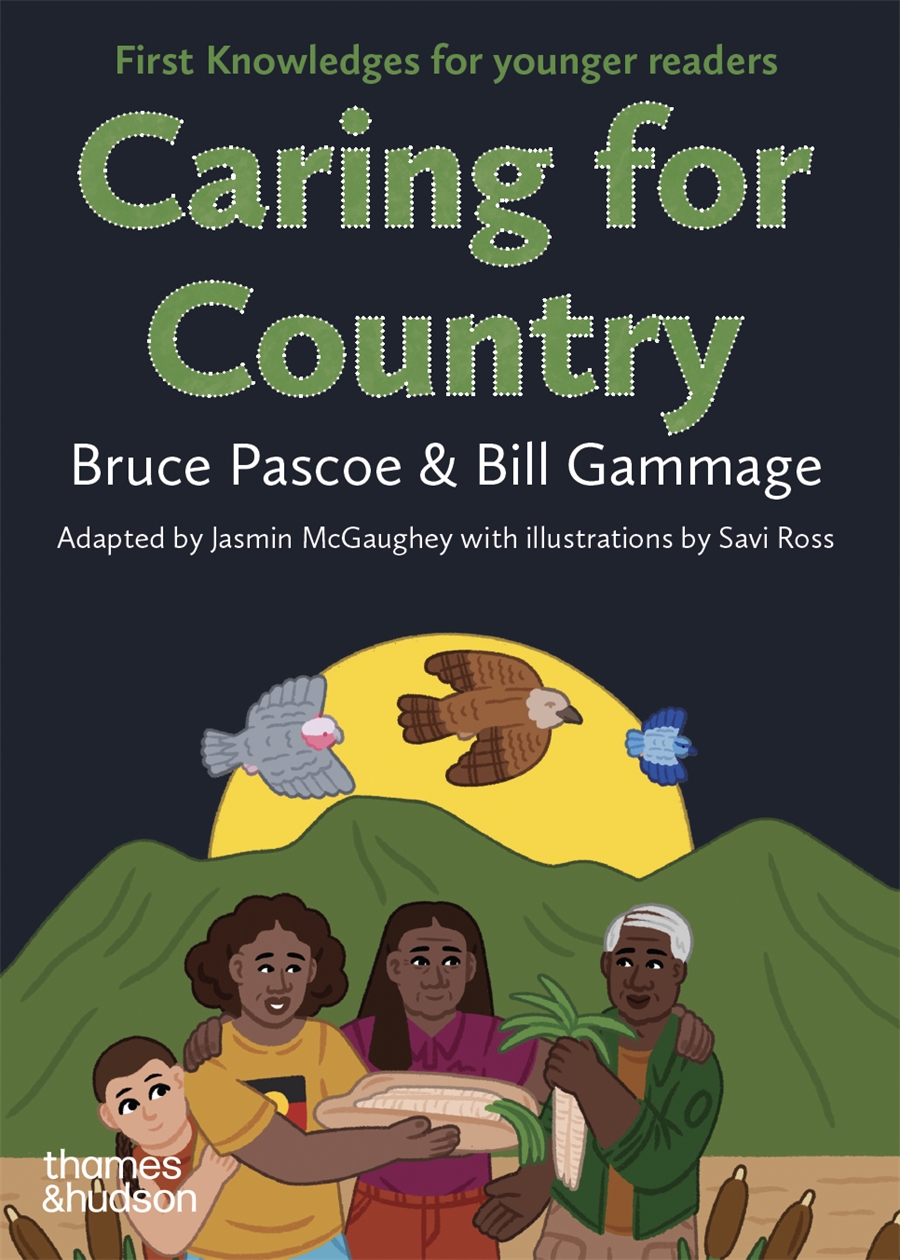
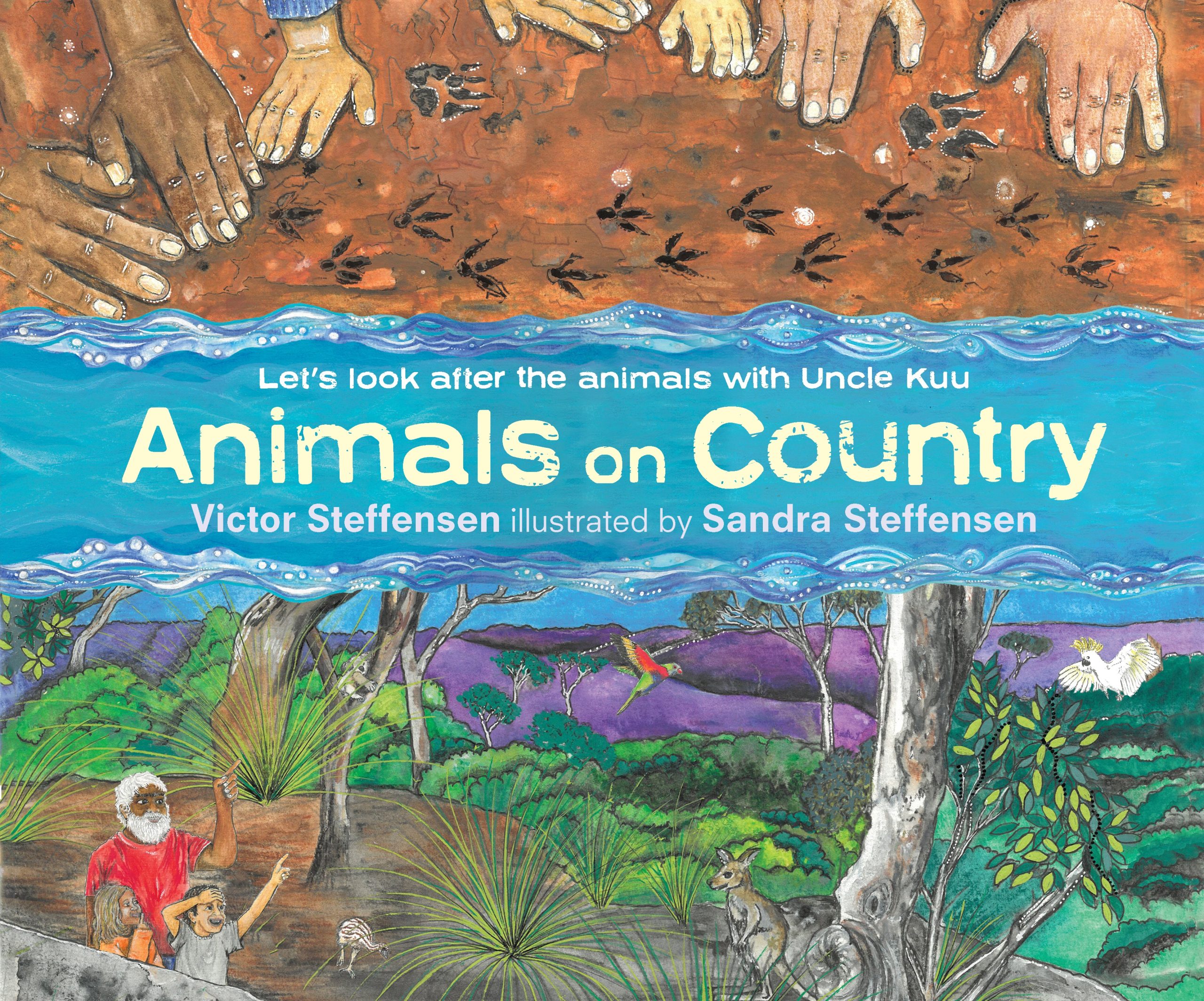
In Before It Was Called Science Corey Tutt aims to provide young readers with an awareness of how First Nations people in Australia acquired their own forms of scientific knowledge over 65,000 years, since their occupation of the continent. It gives the reader a comprehensive understanding of how Indigenous Australian peoples understood their world before the British arrived in 1788. The book starts with an overview of traditional ‘material culture’, the repertoire of artifacts that Aboriginal and Torres Strait Islander peoples developed and utilised in their everyday hunter-gatherer-fisher lifestyles (eg utensils, weapons, clothing). Then, after a brief coverage of bush medicines, Corey discusses the types of Indigenous people’s relationships with a variety of terrestrial and marine animals.This is followed by coverage of how contemporary First Nations peoples maintain their ‘Caring for Country’ initiatives, involving land and sea management, and including firestick farming. It concludes with biographical profiles of seven First Nations mentors as inspirational persons.
The book is liberally illustrated with clear and brightly coloured images of people, their artifacts and animals. Every double spread has at least one page of illustration, and sometimes both pages are illustrated. Text pages are enhanced by different background colours.
Before It Was Called Science fills an educational gap as it is an interesting introductory reader on Aboriginal sciences, suitable for upper primary and lower secondary school students in Australia, and is to be commended as such. In my view, there are a few errors in some of the statements, eg that the Warlpiri people of Central Australia ( a desert group with whom I have worked over many decades), had a practice of desalinating water. Nevertheless, on the whole, I think this book is a useful resource for the classroom.
I highly recommend that teachers, where possible, seek assistance from any available local First Nations elders and educators working in their schools for local interpretation and application of the contents in their particular region of the continent.