
Meet the author: D J Taylor
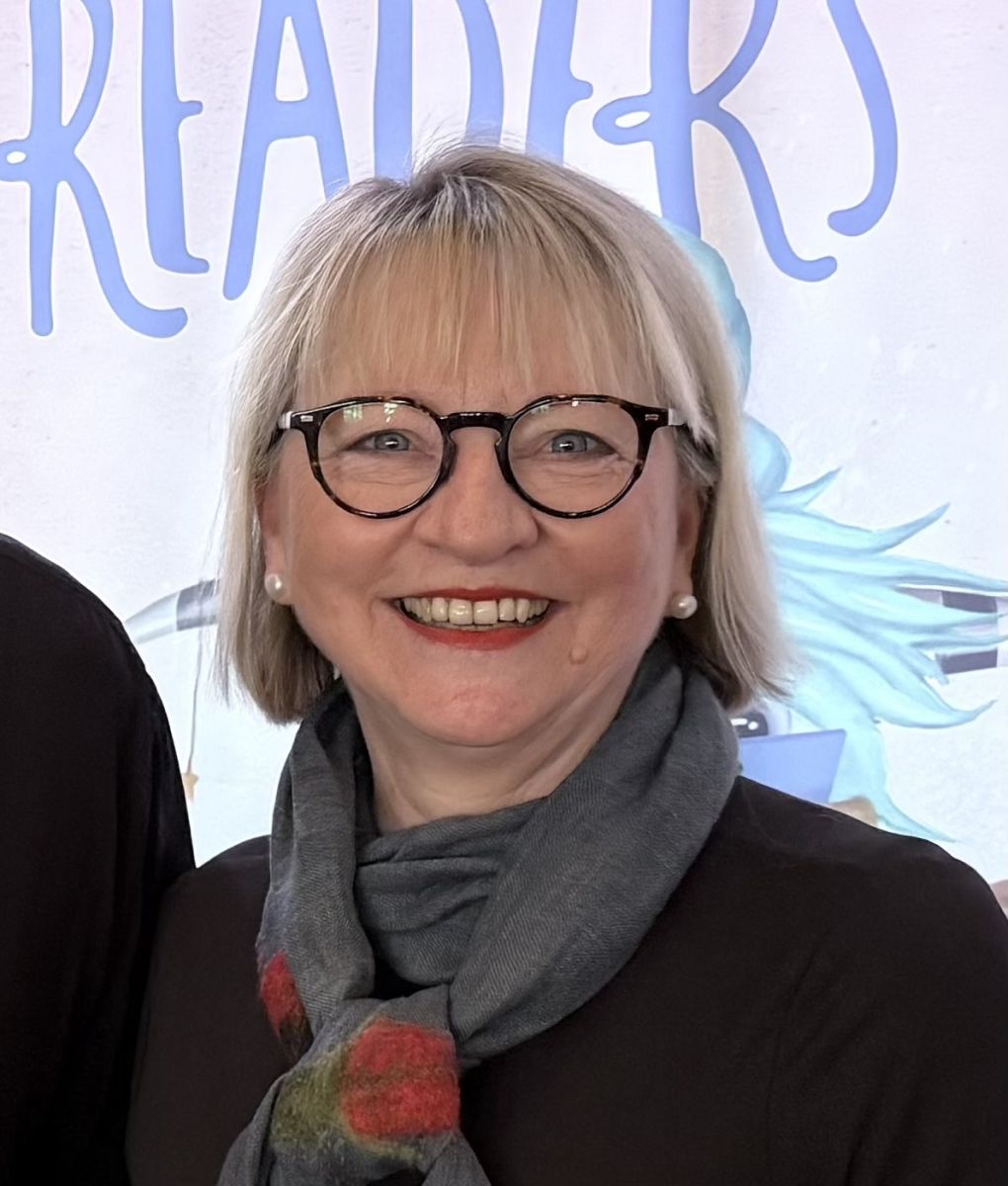
Jenny Ruge talks to author DJ Taylor about her debut novel, Anna’s War.
Thank you for taking the time to speak with StoryLinks, Di.
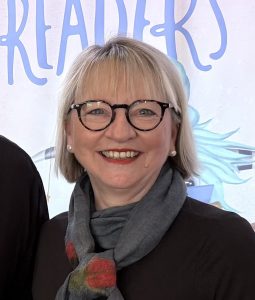 Anna’s War is your first novel. How would you describe the experience of being a debut author, and can you share any particular highlights of your journey? Since the release of Anna’s War it’s been enjoyable, exciting and busy. It’s been a steep learning curve for me and I wish I could start over knowing what I know now. I’ve found the social media aspect to be quite time-consuming as I haven’t used it extensively in the past. However, as I live in the country I’ve made some wonderful online connections in the writing community who have helped me greatly. My private FaceBook group, DebutKidLitCrew2025, has been a terrific support and I’ve learned much from the other debut authors.
An unexpected surprise is the strong sense of ownership readers have for the book. I feel like I’ve raised the child and it’s now gone out into the world experiencing many different relationships and I hope it has a good life. The highlight for me has been the wonderful reviews. It’s like receiving good report cards. I’m grateful to the many reviewers who have not only taken the time to read Anna’s War but also have written such generous, thoughtful reviews. It’s a strange experience having someone describe and critique Anna’s War and I think, wow, I didn’t think of it that way and they know the story so intimately. Some reviewers have written a great synopsis of the story, so much better than I have done!
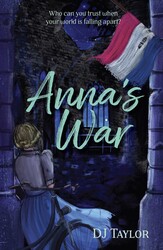 You’ve explained in the Author’s Notes that the book was inspired by the childhood experiences of your parents-in-law and their friend. What, if anything, of your own background and experiences did you bring to the novel, and how have family and friends responded to the final product? As a child I changed schools many times and it was important for me to quickly find new friends and feel I belonged. The close friendship between Anna and Josephine represents that experience of the need for a close connection and to share experiences. Also, I grew up in a loving family where my parents were very supportive and encouraging and that has come through in Anna’s family. My family have been incredibly supportive and proud and helped me organise the launch. It was a wonderful, positive occasion with so much goodwill. It was more a party than a launch and a lot of fun.
My parents-in-law, Catharina and Hendricus Vullers and their friend Matt Theunissen are thrilled with Anna’s War. Catharina is now 93 and living in an aged care residence. She has very low vision so, sadly, has been unable to read the book. When Hendricus visits he reads a chapter to her. There’s been quite a number of re-readings which Catharina thoroughly enjoys and she often says, ‘I’m Anna’.
Anna’s two grandmothers are strong characters in the story, but each have their own strengths and personalities. Are they based on anyone in particular, and how did you approach the task of keeping the two quite distinct? Is there any character you would have liked to showcase more? I only realised that I had based Oma Jansen and Oma Smeets on my two grandmothers after I had finished a number of drafts. Both my grandmothers were strong, intelligent and loving women but very different in personality and circumstances. One lived with us when I was a child as she was homeless in her later years just like Oma Smeets. My grandmothers had young families during the Depression and living through that hardship never left them throughout their lives. They knew how to ‘make do’ and ‘learn to do without’ as Oma Smeets often says in the book.
I would have loved to have known more of Josephine, Anna’s best friend. Despite everything she remained a positive person and she and Anna have such a close friendship. I do like it when they say to each other, ‘You’ll never get a boyfriend looking like that,’ in the most dire of circumstances and laugh.
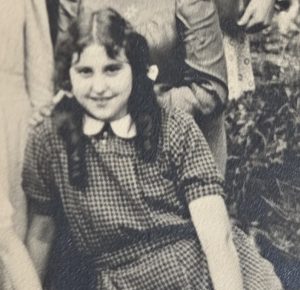
12 year old Catharina Sillikens-Vullers at the end of WWII. Catharina’s story of how she helped hide her father in a secret cellar to avoid deportation to Germany was the inspiration for ‘Anna’s War’